Strength Training: The Key to Unlocking Your Physical Potential
This article explores the importance of strength training, its various methods, benefits, and how to incorporate it into your fitness routine for improved health and performance.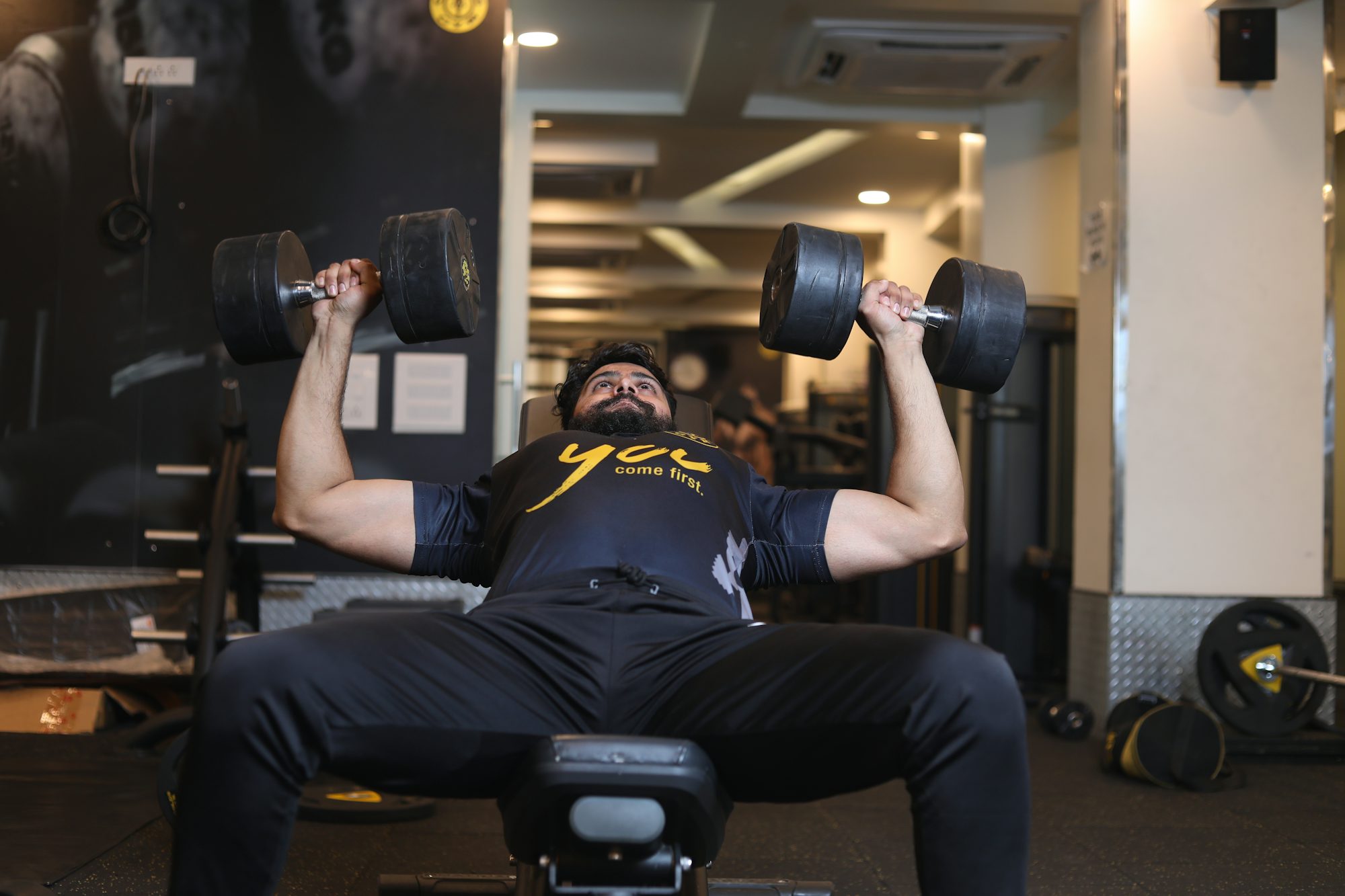
Understanding Strength Training
Strength training, often referred to as resistance training, involves exercises that utilize resistance to induce muscular contraction, ultimately building strength, anaerobic endurance, and size of skeletal muscles. This type of training can include free weights, resistance bands, bodyweight exercises, or weight machines, making it accessible to individuals of all fitness levels.
Benefits of Strength Training
1. Muscle Strength and Endurance:
The most obvious benefit of strength training is the increase in muscle strength and endurance. Regularly lifting weights or performing resistance exercises leads to muscle growth, allowing you to perform daily tasks more easily and with less fatigue.
2. Bone Health:
Engaging in strength training can significantly improve bone density. As we age, our bones tend to lose density, increasing the risk of fractures. Strength training stimulates bone growth, making bones stronger and reducing the risk of osteoporosis.
3. Weight Management:
Strength training is a powerful tool for weight management. While cardiovascular exercises burn calories during the activity, strength training helps build muscle mass, which in turn increases your resting metabolic rate. This means that even when you’re not exercising, your body is burning more calories.
4. Improved Athletic Performance:
For athletes, strength training is crucial for enhancing performance. It improves power, speed, and agility, making it essential for sports that require explosive movements. Incorporating strength training into your training regimen can lead to improved overall athletic performance.
5. Enhanced Mental Well-Being:
The mental health benefits of strength training are often overlooked. Engaging in regular strength training can boost self-esteem, reduce symptoms of anxiety and depression, and improve overall mood. The sense of achievement from reaching personal strength goals can contribute to improved mental resilience.
6. Better Posture and Balance:
Strength training enhances core stability and improves posture. A strong core is vital for maintaining balance and proper alignment, which can help prevent injuries both during workouts and in everyday life.
Types of Strength Training
There are several methods of strength training that cater to different preferences and goals:
- Weightlifting:
This traditional form of strength training involves lifting free weights, such as dumbbells and barbells. It can be tailored to target specific muscle groups or provide a full-body workout. Olympic weightlifting is a competitive sport that focuses on two main lifts: the clean and jerk, and the snatch.
- Bodyweight Exercises:
Exercises like push-ups, pull-ups, squats, and lunges utilize your body weight as resistance. Bodyweight training is convenient, requiring no special equipment, making it perfect for at-home workouts.
- Resistance Bands:
Resistance bands are versatile tools that can add resistance to various exercises. They are portable and can be used for full-body workouts, making them great for those who travel or prefer to exercise at home.
- Circuit Training:
This involves performing a series of exercises in a sequence with minimal rest in between. Circuit training combines strength training with cardiovascular conditioning, providing an efficient and effective workout.
- Powerlifting:
This is a competitive sport focused on three main lifts: the squat, bench press, and deadlift. Powerlifting emphasizes maximum strength, making it a popular choice for those looking to push their limits.
How to Incorporate Strength Training into Your Routine
Incorporating strength training into your fitness routine can seem daunting, but it doesn’t have to be. Here are some practical tips to get started:
1. Set Clear Goals:
Define what you want to achieve with strength training. Whether it’s building muscle, increasing endurance, or improving athletic performance, having clear goals will help you stay motivated and focused.
2. Create a Schedule:
Aim for at least two to three strength training sessions per week. Establishing a routine will help you stay consistent. Consider alternating between upper and lower body workouts to allow for recovery.
3. Start with Basics:
If you’re new to strength training, begin with basic exercises that target major muscle groups. Focus on proper form and technique to avoid injuries. As you become more comfortable, gradually increase the intensity and complexity of your workouts.
4. Use a Mix of Equipment:
Incorporate a variety of equipment into your routine. Use free weights, resistance bands, and bodyweight exercises to keep your workouts dynamic and engaging.
5. Listen to Your Body:
Pay attention to how your body feels during and after workouts. Rest is crucial for recovery and muscle growth. Don’t hesitate to take a day off if you feel fatigued or sore.
6. Consider Professional Guidance:
If you’re unsure where to start, consider working with a certified personal trainer. They can create a personalized strength training program tailored to your goals and help ensure you’re using proper form.
Safety Considerations
When engaging in strength training, safety should be a top priority. Here are some guidelines to keep in mind:
- Warm-Up:
Always begin with a warm-up to prepare your muscles and joints for exercise. Dynamic stretches or light cardio can effectively increase blood flow and reduce the risk of injury.
- Focus on Form:
Proper form is crucial for avoiding injuries and maximizing effectiveness. If you’re unsure about your technique, seek guidance from a fitness professional.
- Don’t Skip Recovery:
Allowing your muscles time to recover is essential for growth and performance. Include rest days in your routine and consider active recovery activities like gentle stretching or yoga.
- Progress Gradually:
Avoid the temptation to lift heavy weights right away. Gradually increase the resistance and intensity of your workouts as you build strength and confidence.
Conclusion
Strength training is a powerful component of a healthy lifestyle, offering numerous benefits that extend beyond physical appearance. By incorporating strength training into your routine, you can enhance your muscle strength, improve bone density, boost mental well-being, and increase overall fitness. Whether you choose to lift weights, perform bodyweight exercises, or use resistance bands, the key is to find what works for you and stay consistent. Embrace the journey of building strength, and unlock your full physical potential for a healthier, more active life.